 info@goodhopetutoring.com
 +1-301-717-8046



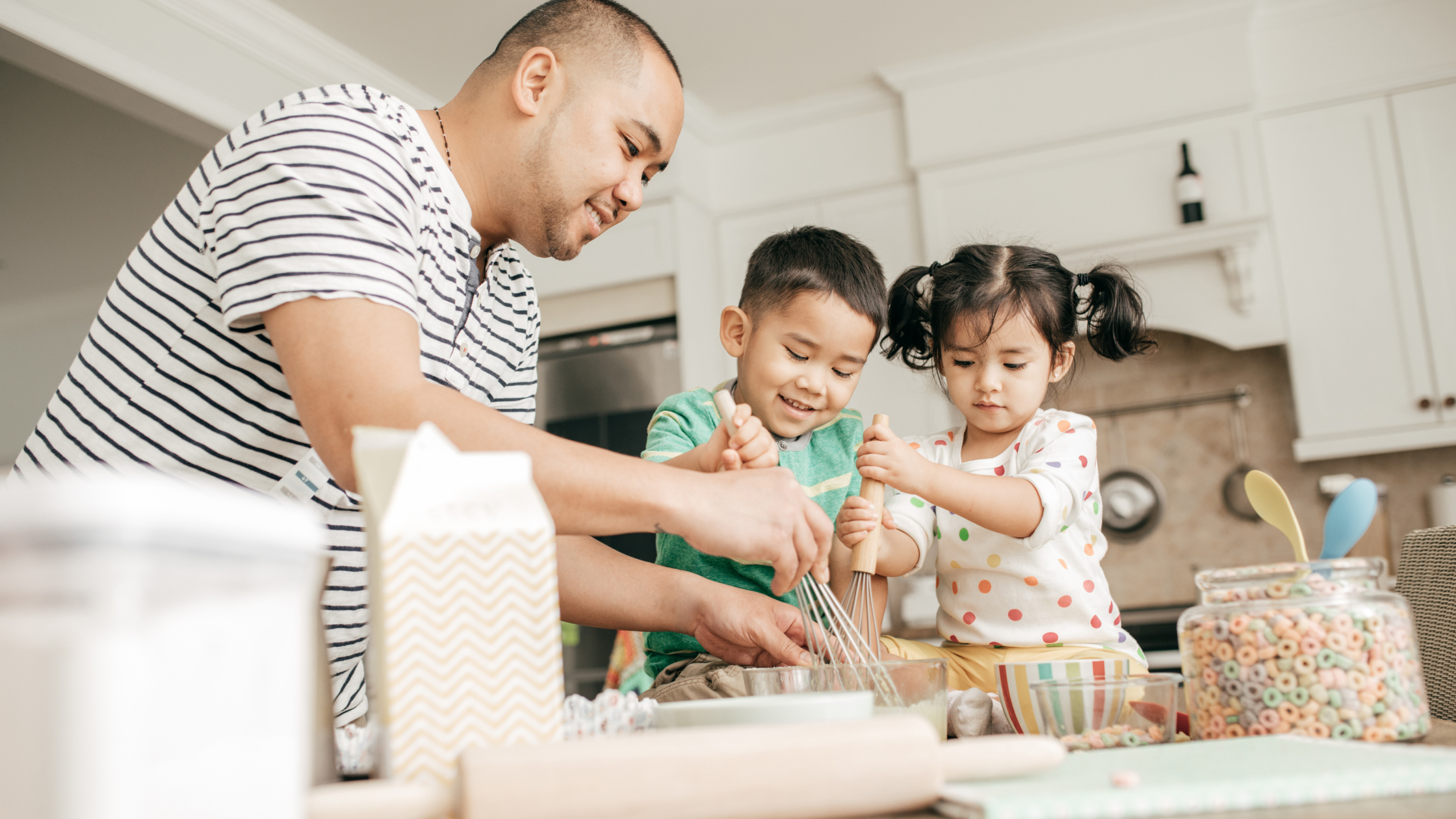
Let's get one thing straight before we go any further: your child does not need summer school at the kitchen table. They do not need worksheet packets. And you do not need to become a drill sergeant with a whiteboard the moment the last school bell rings.
But here's what the research actually shows. Summer learning loss, often called the summer slide, is real, and it hits math hardest. NWEA's analysis of millions of student assessments found that the typical student loses ground over summer break, with math losses equivalent to one to three months of school-year learning in the elementary grades. More recent NWEA data reported by K-12 Dive found math drops equal to 10% to 30% of a school year's learning, while reading scores held mostly steady. Why the difference? Kids naturally read things over the summer (books, menus, video game text, cereal boxes). Almost nobody naturally does long division at the beach.
So the goal isn't to recreate school. It's to sneak 20 to 30 minutes of genuine brain work into days that still feel like summer. Here's exactly how to do that, sorted by what actually works with real kids in real houses.
The Golden Rule: Disguise the Learning
Kids resist anything that smells like school in July. So don't call it math practice. Call it a lemonade stand, a baking project, or a family game night. The learning sticks better when it's attached to something they already want to do, which is the same principle behind why interactive learning games work so well for students.
Every idea below follows that rule. If your child ever says "hey, this is basically homework," you've gone too far. Dial it back.
Keep Math Alive (This Is the Priority)
Since math takes the biggest summer hit, this is where your limited effort should go first. None of these require a worksheet.
Put them in charge of money. A lemonade stand, a yard sale table, or a set allowance with real spending decisions is applied arithmetic with stakes. Have them price items, make change, and count profits. An 8-year-old calculating whether they can afford the toy after buying the popsicle is doing more useful math than a worksheet ever taught them.
Bake once a week, and double the recipe. Doubling or halving a recipe is fractions in disguise. "The recipe needs 3/4 cup of flour and we're doubling it. How much do we need?" That's the exact skill that collapses over summer.
Play games that happen to be math. Yahtzee (mental addition), Monopoly (money management), Uno (number matching), Battleship (coordinates), and card games like War with two cards multiplied together for older kids. Fifteen minutes of family game night is legitimate math practice.
Do road trip math. "We're 120 miles away and driving 60 miles per hour. When do we get there?" "Gas costs $3.50 a gallon and we need 12 gallons. What's the total?" Kids groan, then answer, and that's a win.
For kids who resist all of it: ten minutes on Khan Academy two or three mornings a week, before screen time unlocks, keeps skills warm with zero parent effort. It's free, it adapts to their level, and "ten minutes then the tablet is yours" is a trade most kids accept. If math is a sore spot from the school year, summer is actually the lowest-pressure time to rebuild confidence. Our guide on overcoming math anxiety has strategies that work especially well when there's no test looming.
Keep Them Reading (Without a Reading Log Battle)
Reading holds up better than math over the summer, but only for kids who actually read. Here's how to make that happen without nightly fights.
Let them read garbage. Graphic novels, joke books, Minecraft guides, sports almanacs, comics. It all counts. The goal is minutes with eyes on text, not literary merit. A kid who devours ten graphic novels this summer is in far better shape than one who abandoned an assigned classic in week one. For more on building genuine reading enthusiasm, see our guide to cultivating a love for reading in children.
Join your library's summer challenge. Nearly every library system runs one, with free prizes for logged reading. If you're local to us in Maryland, the Prince George's County Memorial Library System's Summer Prince George's challenge runs through mid-August and rewards kids (and adults) for reading 30 minutes a day, with prizes that have included free books and Washington Nationals tickets. It's free motivation you don't have to manufacture yourself.
Institute "everybody reads" time. Twenty minutes after lunch or before bed where every person in the house, including you, reads something. No assigned books, no quizzes. Kids copy what they see far more than what they're told.
Use audiobooks in the car. Audiobooks build vocabulary and comprehension, and they turn errands and road trips into story time. Most libraries offer free audiobook apps with your card.
Build a Loose Routine (Structure Without a Schedule)
Total freedom sounds great in June and produces bored, screen-glazed kids by mid-July. The fix isn't an hour-by-hour schedule. It's a simple daily rhythm.
Try the "3 before screens" rule: before recreational screen time starts, your child does three things, something active (bike, pool, backyard), something helpful (a chore), and something brainy (reading, Khan Academy, a puzzle, a craft). It takes an hour or so, it front-loads the good stuff, and it ends the all-day negotiation because the rule never changes.
This matters because unstructured summer screen time creeps up fast, and passive scrolling does nothing for the attention and working memory skills that fade without practice. If you're wondering where healthy limits sit for your child's age, we've broken down how much screen time is appropriate for different age groups. And when boredom strikes anyway, keep our list of screen-free activities that actually keep kids engaged handy.
Use Curiosity Projects for Bigger Kids

Elementary tricks stop working on tweens and teens. What works instead is ownership. Hand them a project that's genuinely theirs:
A passion project with a deadline. One summer, one project, their choice: build a website, learn three songs on guitar, film and edit a short movie, train the dog, grow a vegetable from seed, learn to cook five real dinners. Set a "demo day" in August where they show the family. Planning, research, and follow-through are executive function training wearing a costume.
A real-world job. Babysitting, mowing lawns, or a first part-time job for teens builds math, communication, and responsibility simultaneously. Have them track their earnings and set a savings goal.
Documentary and museum swaps. One documentary of their choosing per week counts as brainy time. If you're in the DMV like many of our families, the Smithsonian museums are free, which makes a monthly museum day one of the cheapest enrichment plans in America.
Let them teach you something. Ask your teen to explain how their favorite game's economy works, or have your tween teach you a skill they learned this year. Explaining something out loud is one of the most effective ways to lock in knowledge.
Know When Summer Needs More Than DIY
For most kids, the ideas above are plenty. But some situations call for structured support, and summer is honestly the best time to get it:
- Your child ended the year behind in a subject, and you know September will start with them playing catch-up
- Report cards or teacher comments flagged a specific gap, like reading fluency or math facts
- Your child lost confidence this year, not just skills
- There's a big transition coming, like starting middle or high school, where entering strong matters
A consistent hour or two per week with a tutor over the summer rebuilds skills without the pressure of grades, homework, and tests, which is exactly why kids often make faster progress in July than they do in October. We've covered the full case in our post on the benefits of summer tutoring for children, and when August arrives, our tips for a smooth back-to-school experience will help you land the transition.
Your Realistic Summer Brain Plan (Steal This)
If this whole article were a fridge magnet, it would say:
- Daily: 20 to 30 minutes of reading, any material, plus the "3 before screens" rhythm
- 2 to 3 times a week: 10 to 15 minutes of math kept alive through games, money, cooking, or Khan Academy
- Weekly: one family game night and one outing, activity, or project session
- All summer: one library challenge and, for older kids, one passion project with an August demo day
- If there's a real gap: structured tutoring, an hour or two a week, while the pressure is off
That's roughly 30 minutes a day of intentional brain activity. Not summer school. Not tears. Just a kid who walks into their classroom in September without having lost the ground they worked all year to gain.
Good Hope Tutoring Services offers flexible summer tutoring for students from Pre-K through 12th grade, online and in person, designed to close gaps and build confidence before the new school year. Want an honest read on whether your child needs summer support or just a library card? Book a free 15-minute consultation or explore our subjects. We'll tell you exactly where your child stands.